Equine Skeletal Injuries: Is There Hope For Horses?

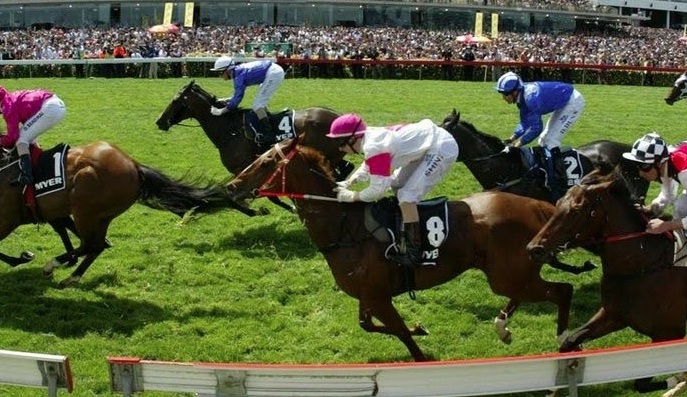
So often we hear of horses having to be put down after an injury. This is a very sad aspect of the horse racing industry. Indeed this is something that cannot be fully avoided especially since accidents are just around the corner. Even when one practices caution with their racehorses, once they are on the racetrack, you can’t guarantee their safety anymore. As such, there have been a number of horses who have suffered injury while racing. Is there hope among vets for solutions to broken fetlocks, broken legs, etc? Can horses recover if given physiotherapy, or osteopathy, etc.?

Before we answer the question, let us first consider common injuries racehorses acquire in the lifetime. Suspensory injury on horses which is also known as a torn suspensory ligament is an injury that has the potential to limit or end your horse’s career. This is why it should never be taken for granted as it requires timely and effective treatment in order for your racehorses to recover from their injury.

Aside from leg injuries there is also ocular injury in horses which are considered to be quite a common equine emergency. This includes puffy and swollen eyes as well as eyelid laceration which are something that requires immediate attention.

A number of horse owners consider the conservative approach for healing horses which includes time and R&R remain essential for helping a horse recover from tendon or ligament injury. Duncan F. Peters, DVM, MS, director of the Sport Horse Division at Hagyard Equine Medical Institute, in Lexington, Ky, explains that the body’s healing system is complex. While newer treatments might provide functional improvement in the healing process, they do not speed up the process itself, he notes. “The time factor is still necessary, and R&R is part of the process.”

A racehorse career is not considered to be very long and as such, injuries such as these can totally ruin a good run. Recovery and rest with regards to their suspensory injury can take from 8 to 12 months for them to be able to get back to the racetrack which is a considerable amount of time that you can end up wasting. Of course, you don’t want to put the welfare of your racehorses in jeopardy however, a number of owners today found a way to help speed up their recovery and they were able to find these with the help of professional osteopaths.

A number of people are able to make use of compassionate care for horses today which includes equine osteopathy and physiotherapy massages. Osteopathy will help to prevent sickness by recognizing early signs of disharmony in the body. This modality will increase the level of performance and general well-being of a healthy horse.

Physiotherapy works hand in hand with osteopathy in providing the care racehorses need that is given to them in a timely and effective manner. It is good to hear that physiotherapy can now be applied in help treat as well as prevent the occurrence of racehorse injuries which in turn reduces the likelihood of injuries from ever happening to them.

Make sure that your racehorses are in tip top shape and ready for any race. Consider acquiring the services of a physiotherapist as well as an osteopath who are well versed in dealing with horses.
How Horses Help Maintain Environmental Balance

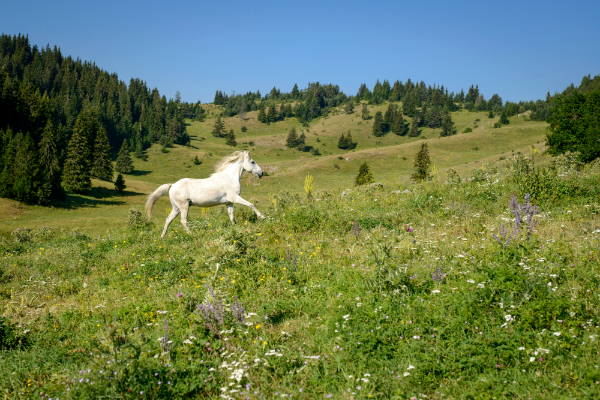
There are not many people who know that horses running free within our world help the environment they live within. Most people see these majestic creatures as partners, workers or runners, but not as an important ecological factor of the planet.

The majority of the UK’s wild horse population are semi-feral, which means they have owners but roam free as if they were wild. The only non-owned horses are ponies that have homes in very remote areas of Scotland and on particular mountains in Wales. The ponies represent a lot of the UK’s best-known ancient breeds, the Welsh Mountain, Exmoor, plus the Dartmoor. All of the semi-wild breeds living in the uk play an important role in sustaining their habitat in addition to helping biodiversity flourish. Indeed horse dung is nature’s recycling habit in full swing.

When horses graze for food they don’t eat everything in their path, they pick and choose . Also, different breeds have different ways of eating. The uneven ways of eating typical of horses is signified by vegetation of different heights. Wild horses are continually moving around, removing undesirable vegetation that could otherwise overtake other plants and stop them from thriving. Horses aren’t partial to eating flowers, which gives rare wild flowers a possibility to flourish. As an end result, the wild horses maintain land from unwanted overgrowth and still provide ideal habitats for birds and other small animals to live on.

In the United States, wild horses help the environment too. When some species of horse eat, they very easily breakdown any seeds that enter their system, which causes the seeds to germinate. Wild horses can roam over quite large areas, so seeds get spread over a greater distance.

Horses can also play a critical role in the winter when water sources freeze over. Horses have strong hooves which can break through ice to make the water readily available to them. Animals that can’t break the ice can then access a water source previously unavailable to them, without the horses to aid them they wouldn’t survive as they’d be unable to access any liquid water. There are some beautiful mosaics celebrating this unique horse activity in a couple of castles in the Loire Valley which show just how far back humankind’s appreciation of this skill goes – the mosaics are from the time of Joan of Arc.

ACM Group, an environmental group based in Australia advocate that wild horses, or brumbies as they call them in that part of the world, can provide just about the most valuable contributions to biodiversity and the health of the land that they are known to inhabit.

Where ever they roam, they are known usually as nature’s healers. They play an integral and vital part of the ecosystem that makes up our environment. So we’d like to remember that horses, in all shapes, sizes and colours are absolutely special and wonderful creatures, regardless of their use.

The Mental Life of Racehorses: What Do They Think & Feel?

Horse racing is done on a regular basis with a considerable number of horses that are competing with each other. We often look at the sidelines and are focused primarily on the winning result that we often overlook the condition of the horses. A few questions often arises which sparks one’s curiosity on what they are thinking or feeling during a race. Do some of them have a sense of excitement and glory as they run towards the finish line? Or is that just us humans projecting this onto them? Can gamblers or betting people bet on the likelihood that some racehorses truly do psych themselves up to outrun other houses? Or is this just a complete myth? Do horses possess emotional intelligence? We might as well ask, what do they think about? These are questions often worth asking and let us try answering all of these today.

Racehorses are indeed aware that they are competing in a race. Camie Heleski, the coordinator of the horse management program at Michigan State University says, “This is mostly conjecture on my part, but I think that in the same way some horses like to be dominant in a herd, and be more dominant, say, in getting the feed when it’s given, I believe some horses also want to beat other horses in a racing scenario.”

Furthermore, Jenifer Nadeau, an associate professor of equine science at the University of Connecticut also shared her insights about it saying, “They take a lot from how the people around them are reacting because they are sensitive. That’s the thing about horses they do read people’s body’s language.”

In a way, horses do understand humans. Although horses can’t talk, they are able to pick up on subtle eye and body movements. Horses are sensitive to our communications and some visual or auditory cues are more easily deciphered by horses than others. As such, they are able to feel what their jockeys and their owners feel as well as how the crowd reacts with the outcome of the race.

Do horses posses emotional intelligence? Well most of them are used to help develop emotional intelligence which means they too have it in themselves. In fact, some people even use horses to teach effective leadership as well.

For instance, there are Equine Experiential Learning instructors that teach people that the most effective communication relies on our non-verbal actions and personal motivations as much as it does rational thought and speaking.

So now we know horses are highly sensitive animals, but can they even sense something is going to happen, are they clairvoyant?

A good example of this was Lady Wonder a horse that was purported to have psychic abilities. Over 150 thousand people came to consult the horse at the price of three questions for one dollar. Lady Wonder is said to have helped the Massachusetts police to find the body of a missing boy, to have predicted that Jack Dempsey would defeat Jack Sharkey in 1927 and to have helped discover oil with a number of horses following her footsteps.

You can also consider going to a clairvoyant when these horses are unavailable to your region. They have integrated their services over the internet for better access and reach for their clients today.

Equine Herpes: Punters Need To Factor In Horse Health

Equine-Herpes-Punters-Need-To-Factor-In-Horse-Health

Horse racing offers many recreational and entertainment dimensions to let punters enjoy the thrills of the races. But everyone dreams of winning large amount of money in betting odds of horse racing. It is pretty normal to want quick money; hence having a better chance of staying on top of betting odds is a priority. Selecting a winning horse using all the information and statistics available is a skill. Punters have to make their decisions by observing the horses as they walk in. A healthy horse usually has a shiny hair coat which is short in the summer and luxuriant in winter. Some horses that have been racing well and race dreadfully usually have hidden health problems. Punters need to factor in horse health to have the greater chance of winning.

How well horses will race depends on three factors: its quality, its preparation and its health. Horses that are well bred and look good may never race up to their potential. Most poor-performing horses have many concomitant diseases. The most frequently diagnoses diseases usually involve the lower and upper respiratory tract and the musculoskeletal system. Problems of the respiratory system were the most frequently diagnosed diseases affecting horse performance on the racetrack.

Internal health problems or injuries reduce the horse’s desire to race and restrict its physical movement and reduce performance. Common health problems include joint disease, foot problems, tendon and ligament injuries, bone injuries, back and pelvic conditions, stomach ulcers and horse cancer. Understanding how injuries and diseases can affect horse performance on the race is an important part of race analysis. Such understanding and knowledge can help punters avoid losing bets on horses that are not ready to win.

Equine herpesvirus infections have been in many news articles lately since they are very common in horse populations around the world. There are five know subtypes of equine herpes virus: EHV-1, EHV-2, EHV-3, EHV-4 and EHV-5. The different classification of herpes virus in horses affects different systems; EHV-1 and EHV-4 affect the respiratory and neurological system, while EHV-3 affects the reproductive system. Horses can also acquire sexually transmitted diseases from equine herpes-3 which cause problems such as pain, low conception rates and abortion. Horse owners need to promote horse’s welfare by safeguarding their breeding stock from venereal disease because it has the potential to become widespread. EHV-3 specifically targets the female and male external genitals – primarily the vulva, penis and the perineum. About 10-14 days after viral exposure painful papules will develop on the skin on these areas and then erupt into oozing vesicles that will eventually scab over.

Sexually transmitted diseases can be transmitted directly between mares and stallions during coitus and indirectly via artificial insemination or breeding equipment. Most STD isn’t life threatening to an adult horse, but can cause pain and abortion in broodmares or death in young foals. A veterinarian can make presumptive diagnosis by the clinical signs on the horse. STD screenings through pre-breeding cultures of both mares and stallions help veterinarians detect the disease and prevent transmission.

Contrary to popular belief, rigorous cleaning of the reproductive organs can have a negative effect. Frequent washing with harsh antibacterial soap may predispose the horse to infections by replacing the normal bacteria flora with harmful bacteria. The bacterium can sometimes slips past STD screening test, causing outbreak to the disease free regions. Fortunately, treatment is easy and effective because the bacteria succumb to the wide variety of antibiotics.

The competitive power of a horse basically depends on his physiology and condition. The horse physiology is characterised by growth, maturity and ageing. During horse maturity, its competitive power tends to rise. But as the horse’s degenerate with age his competitive power gradually diminishes. Condition refers to the horse fitness, health and general well-being. A horse that is fully mature and in the top condition will perform at his best level. A punter must make judgment based on the consistency of the horse. A consistent racehorse is more reliable to bet on and has the greater chance of winning.

The Financial Hazards & Joys of Owning a Racehorse

Horse racing is done on a regular basis having a considerable amount of dedicated audience. Fans and followers alike love the thrill of horse races regardless of whether they betted on the horse race. Those who want to get closer into the action themselves often decide to invest in getting their very own race hose. With that being said, there are a lot of expenses in owning a horse that should be considered. What kind of expenses is involved? Let us look into the financial hazards & joys of owning a racehorse.

It should be noted that purchase price is just one part of the overall cost of the horse. What investors should look into is the cost of the upkeep which depends on the place that you are living in as well as the service that your stable provides. A little as $100 a month is what a simple pasture boarding will you cost. A stable boarding however, can cost up to $500 or more.

The breed, age and disposition of your horse can also affect its overall cost. Hay, salt and supplements can range from $60 to $100 per month and this is what most horse owners spend. Furthermore, you will need to keep your racehorses in a relatively good condition, trimming their hooves, adding shoeing as well as spend some resources to routine veterinary checkups.

Medical care to your racehorses includes vaccinations, de-worming and annual teeth cleaning which adds to your overall cost. This can cost as little as $300 a year for a healthy horse. You can however, pay hundreds or even thousands for a one-time treatment if your horse gets injured or ill.

Last but not the least is the jockey fee. You can’t have racehorses without a professional jockey riding them. A minimum of $35 to 100 is what jockeys can take home per race while also earning a percentage of the purse if the horse is able to win it all.

We’ve mentioned a lot of the racehorse cost, but what are its benefits? Rugby star Mike Tindal splashed out £12,000 on a racehorse and some may find this a bit too expensive for their taste. With that being said, Mr. Tindall was able to double, even triple or more his return as his horse is now said to be worth more than £200,000 which is pretty impressive. Of course, luck is also involved with his investment but nevertheless, he earned a good amount of money with this racehorse purchase.

Owning a racehorse may not sound as easy as it looks like but the rewards greatly outweighs their cost. Horse lovers and enthusiast are able to enjoy caring for their horses as they prepare them for the race ahead. Low documentation loans were able to help a considerable number of racehorse owners with their investment in a timely and effective manner. As such, racehorse owners are able to provide the needs and preferences of their racehorses keeping them in tip top shape as they ready for the race ahead. Seeing your racehorse win the competition is indeed a fulfilling sight to see in action as you rake in the rewards later. Don’t miss this wonderful opportunity to raise winning racehorses for your own today.

Why Are Asian Men So Passionate About Gambling?

Why-Are-Asian-Men-So-Passionate-About-Gambling

If you must play, decide upon three things at the start: the rules of the game, the stakes, and the quitting time. ~ Chinese Proverb

Asians love to gamble. It is such a customary feature of life among them that they consider it to be normal and part of their culture. In fact Asians are some of the biggest gamblers in the world today. Asia is the largest gambling market in the world maybe because Asia makes up the 60% of the world’s population. This passion also extends to online gambling at a variety of online casinos and betting sites. The online gambling market in Asia is experiencing a consistent growth because of the increasing trend in the use of mobile devices and accessibility to the internet.

Why are Asian men so passionate about gambling? The strong belief in fate, luck and fortune is the driving force behind Asians great passion for gambling. Most Chinese believe in this concept but other Asian cultures including Korean, Vietnamese, Thai and Filipino, hold similar beliefs. China’s political influence in their history and migration help to develop the love for gambling. The high proportion of Asian gamblers is rooted in the deep cultural factors which encourage gambling but discourage professional help when it becomes addictive.

There are a number of cultural factors that influence gambling among Asian men. The Asian culture view gambling as a social activity compared with the western society. Asians are brought up in an atmosphere of gambling at home. It is an accepted practice at home especially during social events. In social gatherings such as wedding or parties, it is quite normal for people to play games all night with money at stake. When family members meet, they enjoy playing cards and other games together. Most Asian youths often gamble for money with uncles, aunts and grandparents. Having money on the game increases the motivation to start gambling.

The most popular forms of gambling for Asians are:
Lottery – the drawing of lots for a prize is outlawed by some Asian governments, while others endorsed it. Lotteries are legalized by the government in several countries. Some of them even organize national or state lottery.
Baccarat – most children play this game and the love for it carries over into adulthood. This is the most popular game in Macau casinos.
Mahjong – this game that originated in Chine is an important part of Asian culture, some legends attribute its creation to Confucius in 500 BC.
Sic Bo – this game challenges player to predict the outcome of three rolled dice. This popular in the Philippines and Macau
Pai Gow – this is played with a set of 32 Chinese dominos, the game remained largely unaltered since its creation over 1,000 years ago.

Gambling is deeply rooted in Asian culture. Some of the factors that contribute to Asian men’s passion for gambling are entertainment, response to poverty and socialization. Asian immigrants to western countries have bought their passion for gambling with them. A research made by the UCLA Gambling Studies Program found that 80% of casino patrons in many casinos in the State of California are Asians. The study also shows that Asians have a disproportionate number of addicted gamblers compared to the general American population. The rate of gambling addiction ranges from 6% to nearly 60% depending on Asian ethnicity.

Gambling is by far the addiction of choice among Asian men after tobacco and alcohol. This is becoming a bigger issue than drug abuse in terms of destroying families and disrupting lives. The ruinous effects of gambling are permanent damage to families including abuse, divorce, financial problem and generational debt. The incidence of gambling issues in the Asian community among elderly is quite high, especially for older seniors suffering from depression and loneliness. In most Asian communities’ abroad social workers, leaders and cultural groups like ACM Asian Cultural Group  are pressuring gaming officials and legislators to consider the growing epidemic of gambling addiction.

If you visit a casino, you’ll see how many Asian people have a strong love of gambling. Most Asian men look to gambling as a form of socialization. This constant gambling activities has become a problematic issue in many Asian communities like the Chinese, Filipino, Vietnamese and Korean populations. Some activist are looking for ways to create awareness about gambling addiction and bad practices that resulted from gambling problems. Asian advocates are trying to change the perception that gambling addiction is not just a moral issue but a mental health to overcome the stigma associated with gambling addiction.