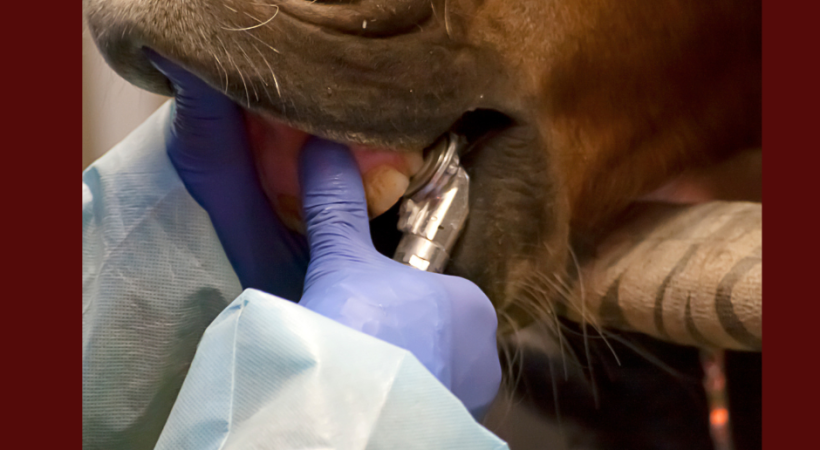
In the world of horse racing, every detail counts when it comes to a horse’s performance. From training regimens to nutrition, each factor plays a critical role in the success of the horse. However, one often overlooked aspect is horse dentistry. Just like humans, horses rely on their teeth to perform essential tasks like chewing, biting, and overall jaw movement. Any dental issue can impact their comfort, health, and, most importantly, their performance on the racetrack.
In some cases, advanced dental procedures, such as dental implants, may be necessary to ensure a horse’s teeth are properly aligned and functioning. Whether it’s preventing pain from dental issues or enhancing the horse’s ability to eat and perform optimally, horse dentistry is a crucial part of any racehorse’s care. In this post, we’ll explore how proper dental care supports the performance of racehorses, with a special focus on advanced dental solutions like dental implants and their impact on racing success.
The Role of Horse Dentistry in Racing
Horse dentistry goes beyond just basic care—it’s essential for ensuring that your horse’s teeth are in optimal condition to avoid discomfort or pain that could affect their performance. In horse racing, dental health plays a pivotal role in how effectively a horse can perform, especially in maintaining proper nutrition and preventing pain that could result in behavioral changes or reduced performance.
Common Dental Issues in Racehorses
Several dental issues can affect racehorses, leading to performance setbacks or health problems. Here are some common dental conditions:
-
Sharp Points and Hooks: Over time, a horse’s teeth can develop sharp edges or hooks, causing discomfort and difficulty chewing. This can lead to poor nutrition, which in turn affects the horse’s energy levels and performance.
-
Malocclusion (Misaligned Teeth): Misaligned teeth can cause pain and difficulty chewing, affecting the horse’s ability to properly consume food. This can result in weight loss, digestive issues, and general health problems, which ultimately affect the horse’s stamina on the racetrack.
-
Tooth Fractures or Injuries: Horses racing at high speeds are at risk of sustaining dental injuries. A fractured tooth can cause severe pain, making it hard for the horse to chew and hydrate properly, leading to fatigue and performance declines.
The Impact of Poor Dental Health on Racing Performance
A horse suffering from dental discomfort may show signs such as resistance to the bit, difficulty chewing, or irritation when being ridden. These discomforts can affect the horse’s focus, mood, and energy levels during training and races. If a horse cannot chew properly, it may experience digestive issues, making it difficult to maintain stamina during long races.
By ensuring that a horse’s teeth are in optimal health, horse owners and trainers can significantly enhance the horse’s overall well-being, leading to improved performance on race day.
Advanced Dental Care: Dental Implants for Horses
In certain circumstances, advanced dental care may be required to address severe dental issues in horses. One such procedure is the surgical placement of the dental implant. Though rare, dental implants can be a lifesaver for horses that suffer from severe tooth loss or damage.
The Surgical Placement of the Dental Implant: The Healing Process Begins
When a horse loses a tooth due to injury, decay, or disease, it can dramatically affect their ability to chew, leading to discomfort and nutritional deficiencies. After the dental implant is placed, the healing process starts. This procedure serves as a replacement for a missing tooth, allowing the horse to chew and eat properly again, thereby enhancing their comfort and performance.
Once the implant is placed, the healing process typically takes several months, during which time the horse will require additional care and attention. Following successful implantation and healing, the horse will regain the ability to chew without pain, improving their comfort and ability to train effectively.
When Is a Dental Implant Necessary for a Racehorse?
Dental implants are usually recommended when less invasive treatments, such as fillings or crowns, are not suitable. If a racehorse suffers from severe dental trauma or tooth loss, dental implants can restore normal chewing function. However, deciding to opt for a dental implant should be made in consultation with an experienced equine dentist, the horse’s trainer, and veterinarian to ensure it’s the best course of action.
Routine Horse Dentistry: Preventing Major Issues
While dental implants can address severe dental problems, the best way to ensure optimal performance in horse racing is by focusing on routine dental care. Regular dental checkups are essential to catch issues early and prevent them from escalating into larger, more costly problems.
The Importance of Floating
One of the most common procedures performed by equine dentists is floating. Floating involves filing down sharp edges and hooks on the horse’s teeth, ensuring smooth surfaces for chewing. This procedure helps prevent discomfort and pain related to uneven teeth, which is crucial for maintaining energy levels and stamina.
Preventing Tooth Decay and Infection
Preventive care, including the removal of food buildup, plaque, and bacteria, can help prevent tooth decay and infections. Regular checkups can detect early signs of infection or damage, allowing for timely intervention and preventing the condition from affecting the horse’s performance.
Checking for Malocclusion
Malocclusion (misalignment of teeth) can cause discomfort while chewing and may result in poor eating habits, weight loss, and compromised performance on the racetrack. Early detection of malocclusion ensures that corrective action can be taken before these issues affect the horse’s ability to perform.
How to Ensure Optimal Dental Care for Your Racehorse
Here are essential tips for maintaining optimal dental care for your racehorse:
-
Schedule Regular Dental Checkups: Ensure that your horse undergoes routine dental exams with a qualified equine dentist at least once a year. Performance horses may require more frequent exams.
-
Watch for Behavioral Changes: Keep an eye on any signs of discomfort, such as resistance to the bit, difficulty chewing, or behavioral changes. These could indicate underlying dental issues that need attention.
-
Provide a Balanced Diet: Make sure your horse receives a balanced diet that supports dental health. Proper nutrition is key to preventing dental problems and maintaining the horse’s energy levels for racing.
-
Use the Right Tack: Ensure that your horse’s tack, especially the bit, is correctly fitted. A poorly fitted bit can cause additional strain on the jaw and exacerbate dental problems, negatively affecting performance.
Dental Health and Performance Go Hand in Hand
Dental health is often an overlooked but essential factor in a racehorse’s performance. Horse dentistry, including advanced procedures like dental implants, can significantly improve your horse’s comfort, health, and ability to train and race effectively. By maintaining routine dental care, you ensure your horse remains in peak physical condition, allowing them to perform at their best.
Remember, consulting with a qualified equine dentist is crucial in determining the best course of action for your horse’s dental health. By understanding the importance of horse dentistry and keeping your horse’s teeth in optimal condition, you help ensure that your horse performs to its fullest potential and achieves success on the racetrack.