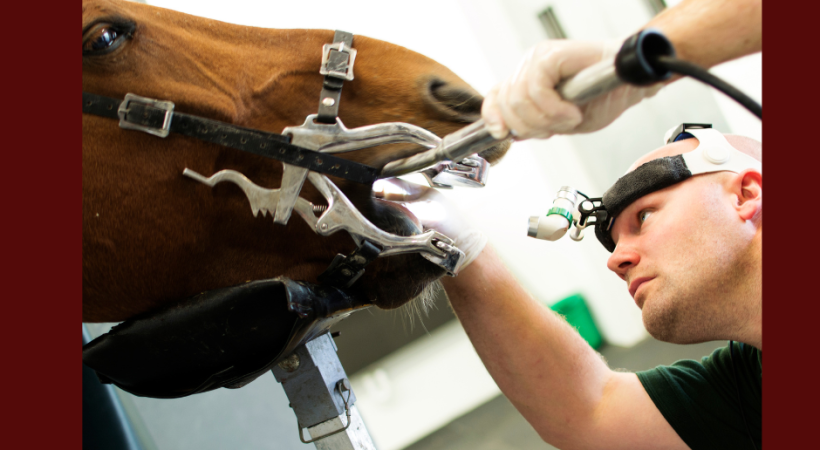
Tension in the muscles surrounding the TMJ (temporomandibular joint) is not just a human concern; it can also cause significant discomfort and pain in horses. Much like humans, when tension affects the TMJ in horses, it can lead to severe discomfort, impacting their overall health and well-being. One of the most common causes of TMJ tension in horses is poor dental care. In this blog post, we’ll explore how tension in the TMJ can affect your horse, the importance of horse dentistry, and how maintaining proper dental health can ensure your horse’s comfort, performance, and quality of life.
The TMJ in Horses: What You Need to Know
The temporomandibular joint (TMJ) plays a crucial role in the movement of the jaw, allowing horses to chew, drink, and carry out essential mouth movements. When tension builds up in the muscles and ligaments around the TMJ, it can cause significant discomfort and pain, much like it does in humans.
Horses are particularly vulnerable to TMJ problems due to their unique jaw structure. When tension in the jaw is left unaddressed, it can lead to a variety of issues, from difficulty chewing to overall muscle soreness. Unfortunately, many horse owners overlook the importance of proper dental care, which can be one of the leading causes of TMJ tension and discomfort.
How Tension Affects the TMJ: The Link to Horse Dentistry
Tension in the TMJ is often directly related to misaligned teeth, overgrowth, or untreated dental issues. Proper horse dentistry plays a vital role in maintaining the alignment and health of your horse’s teeth, ensuring smooth jaw movement and preventing unnecessary tension in the TMJ. When a horse’s teeth are misaligned or overgrown, it may compensate by shifting its chewing pattern. This can result in increased tension in the TMJ, causing pain and discomfort that negatively affects the horse’s overall well-being.
Poor dental care can also lead to bacterial infections in the gums, causing inflammation and additional pressure around the TMJ. This increases the difficulty in chewing, causing discomfort and frustration during feeding. Over time, it can impact eating habits, behavior, and mood.
Tension can affect the TMJ, resulting in discomfort and pain, which can interfere with your horse’s overall health, making early dental care essential to preventing long-term issues.
Signs That Your Horse’s TMJ Might Be Affected
Recognizing the signs that your horse’s TMJ might be under stress is crucial for timely intervention. Here are some common symptoms that may indicate TMJ tension:
-
Resistance to the Bit: If your horse resists the bit or shows signs of discomfort when ridden or bridled, it could be a sign of TMJ tension.
-
Difficulty Chewing or Drooling: Horses that struggle to chew or show excessive drooling might be experiencing discomfort in the jaw or TMJ.
-
Head Tilting or Shifting: Horses with TMJ issues may tilt their heads or shift their jaws when eating or performing certain movements, which is an attempt to alleviate pain.
-
Muscle Stiffness: Noticeable stiffness in the neck, jaw, or shoulder area can be a clear sign of TMJ discomfort.
-
Behavioral Changes: Horses suffering from TMJ discomfort may become irritable, reluctant to work, or show signs of head shaking, biting, or other behaviors indicating pain.
The Role of Horse Dentistry in Preventing TMJ Issues
Preventing TMJ tension and discomfort in horses is closely tied to proper horse dentistry. Regular visits from a qualified equine dentist ensure that your horse’s teeth are in optimal condition, preventing tension from building up in the TMJ. Here’s how horse dentistry plays a vital role in maintaining your horse’s jaw health:
-
Routine Dental Checkups: Like humans, horses need regular dental checkups to ensure their teeth are properly aligned. Routine exams help spot issues such as sharp points, overgrown molars, or misalignments that may contribute to TMJ tension.
-
Floating: Floating is a common procedure where a dentist files down sharp or uneven teeth. This helps relieve jaw tension and prevents strain on the TMJ, ensuring smooth, pain-free movement.
-
Treatment for Malocclusion: Horses can suffer from malocclusion (misalignment of teeth), which can interfere with chewing and cause jaw discomfort. A qualified equine dentist can address these issues, realigning the teeth and reducing TMJ tension.
-
Addressing Dental Infections: Dental infections, abscesses, and other issues can increase pressure on the TMJ. By regularly checking your horse’s teeth and gums, dental professionals can detect and treat these problems early, preventing further TMJ-related pain.
How to Care for Your Horse’s Teeth: Best Practices
To minimize the risk of TMJ-related discomfort and maintain your horse’s dental health, consider these best practices:
-
Schedule Regular Dental Checkups: Ensure that your horse undergoes equine dental exams at least once a year to keep teeth healthy and aligned. Early intervention can prevent TMJ tension and ensure your horse’s comfort.
-
Watch for Behavioral Changes: Pay attention to your horse’s behavior, especially when eating or working. Behavioral shifts or changes in eating habits may indicate underlying dental issues, including TMJ tension.
-
Provide Proper Nutrition: A balanced diet plays a critical role in maintaining dental health. While hard feed can naturally wear down teeth, it’s essential to avoid feeding your horse overly hard or soft foods, which can exacerbate dental issues.
-
Use the Right Tack: Ensure that your horse’s tack, particularly the bit, fits correctly. A poorly fitting bit can cause extra strain on the jaw and worsen TMJ discomfort. Consult with a professional to find the right bit for your horse.
-
Hydration and Hygiene: Make sure your horse is well-hydrated and that they maintain good oral hygiene, as proper hydration helps maintain healthy teeth and gums.
When to Call the Vet for TMJ-Related Concerns
If you notice persistent discomfort or behavioral changes that may be related to TMJ tension, it’s important to consult with your equine veterinarian. TMJ issues can develop into more serious conditions if not treated promptly. Your vet will work with an equine dentist to diagnose and treat the problem, providing your horse with much-needed relief.
The Importance of Horse Dentistry in TMJ Health
Just like humans, the health of your horse’s teeth directly impacts the health of its TMJ and overall well-being. Tension in the TMJ can lead to discomfort and pain, but with proper dental care, you can ensure that your horse remains healthy, comfortable, and pain-free. By working with an experienced equine dentist, you can prevent TMJ tension, improve jaw function, and enhance your horse’s quality of life.