race horse dentistry

How Horse Dentistry Impacts Performance: Understanding the Importance of Dental Health in Horse Racing

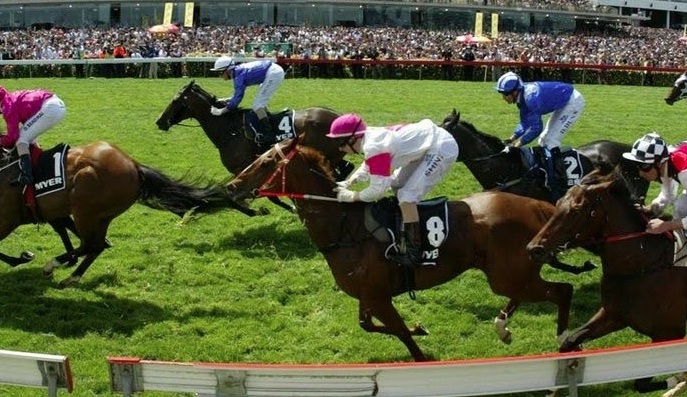
In the world of horse racing, every detail counts when it comes to a horse’s performance. From training regimens to nutrition, each factor plays a critical role in the success of the horse. However, one often overlooked aspect is horse dentistry. Just like humans, horses rely on their teeth to perform essential tasks like chewing, biting, and overall jaw movement. Any dental issue can impact their comfort, health, and, most importantly, their performance on the racetrack.

In some cases, advanced dental procedures, such as dental implants, may be necessary to ensure a horse’s teeth are properly aligned and functioning. Whether it’s preventing pain from dental issues or enhancing the horse’s ability to eat and perform optimally, horse dentistry is a crucial part of any racehorse’s care. In this post, we’ll explore how proper dental care supports the performance of racehorses, with a special focus on advanced dental solutions like dental implants and their impact on racing success.


The Role of Horse Dentistry in Racing

Horse dentistry goes beyond just basic care—it’s essential for ensuring that your horse’s teeth are in optimal condition to avoid discomfort or pain that could affect their performance. In horse racing, dental health plays a pivotal role in how effectively a horse can perform, especially in maintaining proper nutrition and preventing pain that could result in behavioral changes or reduced performance.


Common Dental Issues in Racehorses

Several dental issues can affect racehorses, leading to performance setbacks or health problems. Here are some common dental conditions:

  • Sharp Points and Hooks: Over time, a horse’s teeth can develop sharp edges or hooks, causing discomfort and difficulty chewing. This can lead to poor nutrition, which in turn affects the horse’s energy levels and performance.

  • Malocclusion (Misaligned Teeth): Misaligned teeth can cause pain and difficulty chewing, affecting the horse’s ability to properly consume food. This can result in weight loss, digestive issues, and general health problems, which ultimately affect the horse’s stamina on the racetrack.

  • Tooth Fractures or Injuries: Horses racing at high speeds are at risk of sustaining dental injuries. A fractured tooth can cause severe pain, making it hard for the horse to chew and hydrate properly, leading to fatigue and performance declines.


The Impact of Poor Dental Health on Racing Performance

A horse suffering from dental discomfort may show signs such as resistance to the bit, difficulty chewing, or irritation when being ridden. These discomforts can affect the horse’s focus, mood, and energy levels during training and races. If a horse cannot chew properly, it may experience digestive issues, making it difficult to maintain stamina during long races.

By ensuring that a horse’s teeth are in optimal health, horse owners and trainers can significantly enhance the horse’s overall well-being, leading to improved performance on race day.


Advanced Dental Care: Dental Implants for Horses

In certain circumstances, advanced dental care may be required to address severe dental issues in horses. One such procedure is the surgical placement of the dental implant. Though rare, dental implants can be a lifesaver for horses that suffer from severe tooth loss or damage.

The Surgical Placement of the Dental Implant: The Healing Process Begins

When a horse loses a tooth due to injury, decay, or disease, it can dramatically affect their ability to chew, leading to discomfort and nutritional deficiencies. After the dental implant is placed, the healing process starts. This procedure serves as a replacement for a missing tooth, allowing the horse to chew and eat properly again, thereby enhancing their comfort and performance.

Once the implant is placed, the healing process typically takes several months, during which time the horse will require additional care and attention. Following successful implantation and healing, the horse will regain the ability to chew without pain, improving their comfort and ability to train effectively.

When Is a Dental Implant Necessary for a Racehorse?

Dental implants are usually recommended when less invasive treatments, such as fillings or crowns, are not suitable. If a racehorse suffers from severe dental trauma or tooth loss, dental implants can restore normal chewing function. However, deciding to opt for a dental implant should be made in consultation with an experienced equine dentist, the horse’s trainer, and veterinarian to ensure it’s the best course of action.


Routine Horse Dentistry: Preventing Major Issues

While dental implants can address severe dental problems, the best way to ensure optimal performance in horse racing is by focusing on routine dental care. Regular dental checkups are essential to catch issues early and prevent them from escalating into larger, more costly problems.

The Importance of Floating

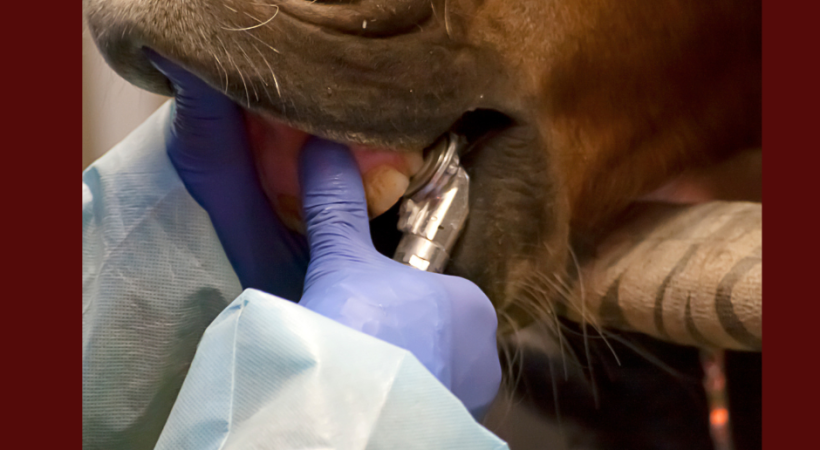
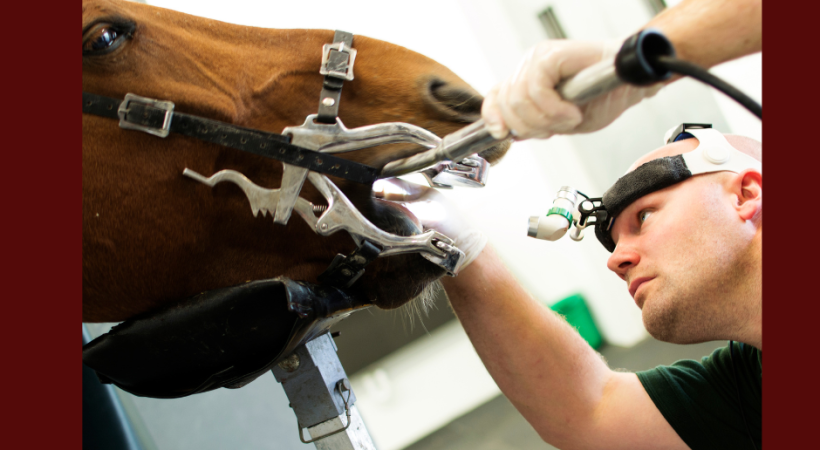
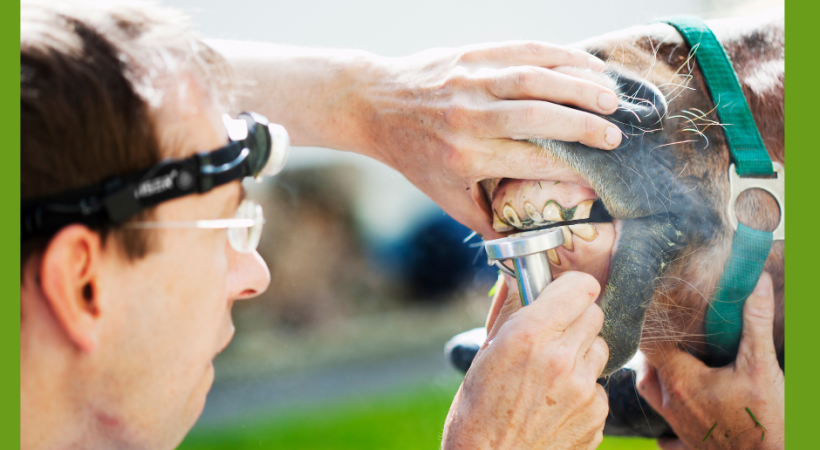
One of the most common procedures performed by equine dentists is floating. Floating involves filing down sharp edges and hooks on the horse’s teeth, ensuring smooth surfaces for chewing. This procedure helps prevent discomfort and pain related to uneven teeth, which is crucial for maintaining energy levels and stamina.

Preventing Tooth Decay and Infection

Preventive care, including the removal of food buildup, plaque, and bacteria, can help prevent tooth decay and infections. Regular checkups can detect early signs of infection or damage, allowing for timely intervention and preventing the condition from affecting the horse’s performance.

Checking for Malocclusion

Malocclusion (misalignment of teeth) can cause discomfort while chewing and may result in poor eating habits, weight loss, and compromised performance on the racetrack. Early detection of malocclusion ensures that corrective action can be taken before these issues affect the horse’s ability to perform.


How to Ensure Optimal Dental Care for Your Racehorse

Here are essential tips for maintaining optimal dental care for your racehorse:

  1. Schedule Regular Dental Checkups: Ensure that your horse undergoes routine dental exams with a qualified equine dentist at least once a year. Performance horses may require more frequent exams.

  2. Watch for Behavioral Changes: Keep an eye on any signs of discomfort, such as resistance to the bit, difficulty chewing, or behavioral changes. These could indicate underlying dental issues that need attention.

  3. Provide a Balanced Diet: Make sure your horse receives a balanced diet that supports dental health. Proper nutrition is key to preventing dental problems and maintaining the horse’s energy levels for racing.

  4. Use the Right Tack: Ensure that your horse’s tack, especially the bit, is correctly fitted. A poorly fitted bit can cause additional strain on the jaw and exacerbate dental problems, negatively affecting performance.


Dental Health and Performance Go Hand in Hand

Dental health is often an overlooked but essential factor in a racehorse’s performance. Horse dentistry, including advanced procedures like dental implants, can significantly improve your horse’s comfort, health, and ability to train and race effectively. By maintaining routine dental care, you ensure your horse remains in peak physical condition, allowing them to perform at their best.

Remember, consulting with a qualified equine dentist is crucial in determining the best course of action for your horse’s dental health. By understanding the importance of horse dentistry and keeping your horse’s teeth in optimal condition, you help ensure that your horse performs to its fullest potential and achieves success on the racetrack.

horse dentistry

How Tension Affects the TMJ in Horses: Understanding the Impact on Comfort and Health

Tension in the muscles surrounding the TMJ (temporomandibular joint) is not just a human concern; it can also cause significant discomfort and pain in horses. Much like humans, when tension affects the TMJ in horses, it can lead to severe discomfort, impacting their overall health and well-being. One of the most common causes of TMJ tension in horses is poor dental care. In this blog post, we’ll explore how tension in the TMJ can affect your horse, the importance of horse dentistry, and how maintaining proper dental health can ensure your horse’s comfort, performance, and quality of life.


The TMJ in Horses: What You Need to Know

The temporomandibular joint (TMJ) plays a crucial role in the movement of the jaw, allowing horses to chew, drink, and carry out essential mouth movements. When tension builds up in the muscles and ligaments around the TMJ, it can cause significant discomfort and pain, much like it does in humans.

Horses are particularly vulnerable to TMJ problems due to their unique jaw structure. When tension in the jaw is left unaddressed, it can lead to a variety of issues, from difficulty chewing to overall muscle soreness. Unfortunately, many horse owners overlook the importance of proper dental care, which can be one of the leading causes of TMJ tension and discomfort.


How Tension Affects the TMJ: The Link to Horse Dentistry

Tension in the TMJ is often directly related to misaligned teeth, overgrowth, or untreated dental issues. Proper horse dentistry plays a vital role in maintaining the alignment and health of your horse’s teeth, ensuring smooth jaw movement and preventing unnecessary tension in the TMJ. When a horse’s teeth are misaligned or overgrown, it may compensate by shifting its chewing pattern. This can result in increased tension in the TMJ, causing pain and discomfort that negatively affects the horse’s overall well-being.

Poor dental care can also lead to bacterial infections in the gums, causing inflammation and additional pressure around the TMJ. This increases the difficulty in chewing, causing discomfort and frustration during feeding. Over time, it can impact eating habits, behavior, and mood.

Tension can affect the TMJ, resulting in discomfort and pain, which can interfere with your horse’s overall health, making early dental care essential to preventing long-term issues.


Signs That Your Horse’s TMJ Might Be Affected

Recognizing the signs that your horse’s TMJ might be under stress is crucial for timely intervention. Here are some common symptoms that may indicate TMJ tension:

  • Resistance to the Bit: If your horse resists the bit or shows signs of discomfort when ridden or bridled, it could be a sign of TMJ tension.

  • Difficulty Chewing or Drooling: Horses that struggle to chew or show excessive drooling might be experiencing discomfort in the jaw or TMJ.

  • Head Tilting or Shifting: Horses with TMJ issues may tilt their heads or shift their jaws when eating or performing certain movements, which is an attempt to alleviate pain.

  • Muscle Stiffness: Noticeable stiffness in the neck, jaw, or shoulder area can be a clear sign of TMJ discomfort.

  • Behavioral Changes: Horses suffering from TMJ discomfort may become irritable, reluctant to work, or show signs of head shaking, biting, or other behaviors indicating pain.


The Role of Horse Dentistry in Preventing TMJ Issues

Preventing TMJ tension and discomfort in horses is closely tied to proper horse dentistry. Regular visits from a qualified equine dentist ensure that your horse’s teeth are in optimal condition, preventing tension from building up in the TMJ. Here’s how horse dentistry plays a vital role in maintaining your horse’s jaw health:

  1. Routine Dental Checkups: Like humans, horses need regular dental checkups to ensure their teeth are properly aligned. Routine exams help spot issues such as sharp points, overgrown molars, or misalignments that may contribute to TMJ tension.

  2. Floating: Floating is a common procedure where a dentist files down sharp or uneven teeth. This helps relieve jaw tension and prevents strain on the TMJ, ensuring smooth, pain-free movement.

  3. Treatment for Malocclusion: Horses can suffer from malocclusion (misalignment of teeth), which can interfere with chewing and cause jaw discomfort. A qualified equine dentist can address these issues, realigning the teeth and reducing TMJ tension.

  4. Addressing Dental Infections: Dental infections, abscesses, and other issues can increase pressure on the TMJ. By regularly checking your horse’s teeth and gums, dental professionals can detect and treat these problems early, preventing further TMJ-related pain.


How to Care for Your Horse’s Teeth: Best Practices

To minimize the risk of TMJ-related discomfort and maintain your horse’s dental health, consider these best practices:

  • Schedule Regular Dental Checkups: Ensure that your horse undergoes equine dental exams at least once a year to keep teeth healthy and aligned. Early intervention can prevent TMJ tension and ensure your horse’s comfort.

  • Watch for Behavioral Changes: Pay attention to your horse’s behavior, especially when eating or working. Behavioral shifts or changes in eating habits may indicate underlying dental issues, including TMJ tension.

  • Provide Proper Nutrition: A balanced diet plays a critical role in maintaining dental health. While hard feed can naturally wear down teeth, it’s essential to avoid feeding your horse overly hard or soft foods, which can exacerbate dental issues.

  • Use the Right Tack: Ensure that your horse’s tack, particularly the bit, fits correctly. A poorly fitting bit can cause extra strain on the jaw and worsen TMJ discomfort. Consult with a professional to find the right bit for your horse.

  • Hydration and Hygiene: Make sure your horse is well-hydrated and that they maintain good oral hygiene, as proper hydration helps maintain healthy teeth and gums.


When to Call the Vet for TMJ-Related Concerns

If you notice persistent discomfort or behavioral changes that may be related to TMJ tension, it’s important to consult with your equine veterinarian. TMJ issues can develop into more serious conditions if not treated promptly. Your vet will work with an equine dentist to diagnose and treat the problem, providing your horse with much-needed relief.


The Importance of Horse Dentistry in TMJ Health

Just like humans, the health of your horse’s teeth directly impacts the health of its TMJ and overall well-being. Tension in the TMJ can lead to discomfort and pain, but with proper dental care, you can ensure that your horse remains healthy, comfortable, and pain-free. By working with an experienced equine dentist, you can prevent TMJ tension, improve jaw function, and enhance your horse’s quality of life.

dentistry for horses

Dentistry For Horses: Equine Dentists & Tooth Whisperers

Horses have teeth too! And remember all those sugar cubes we used to feed them? Carrots would have been better. Our poor dear equine companions all developed tooth decay. And so, an industry was born – dentists for horses.

Here’s some caring horse dentists:

The Tooth Whisperer – Equine Dentist, Bradley (Brad) Whalan

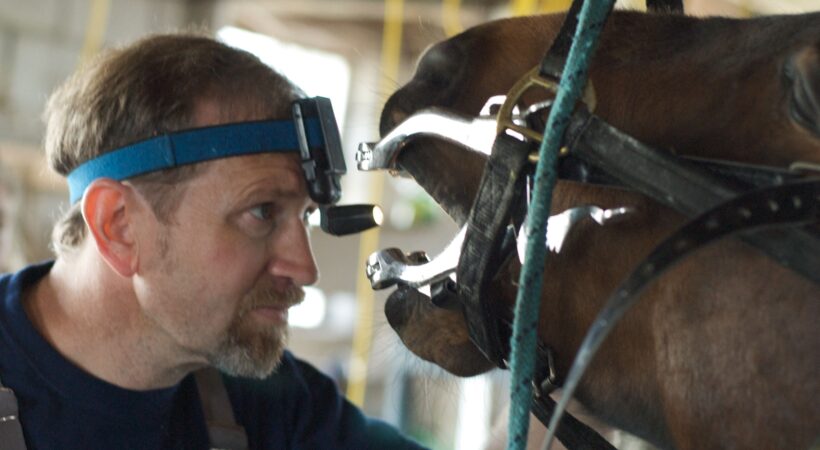
The Tooth Whisperer brings a new direction to the Equine Dentistry industry in Australia. Through years of experience working with race horses Brad has developed a keen eye for spotting dental problems with horses.

All work is carried out directly by Brad, an accomplished horseman with a genuine interest and technical expertise in correcting the dental issues facing performance horses.

We also enjoy the challenge of working with breeding stock and spelling horses as well.

Whatever the problem that is presented, The Tooth Whisperer will provide you and your horse educated advice, demonstrate the problems that exist and perform the necessary procedure to get your horse back to perfect dental health.

Check him out at http://www.thetoothwhisperer.com.au/

Advanced Equine Dentistry

Dental disease in horses is very common and can be complex to treat. As equine dentists, AED use the same approach and equipment as your own dentist does with your teeth, with 100% care and professionalism.

They provide you with easy-to-understand explanations as to why a treatment is necessary
They’ll provide you with options and solutions for treatment
They offer a no-obligation quote before performing any work.
They only use equipment and techniques that have been proven to be safe.
What will Advanced Equine Dentistry provide for you?
A friendly, professional equine dental veterinary service, utilising the latest technology and techniques. With the security of full licensing and insurance and a sound knowledge of the veterinary needs of the client and the patient.

Why use Advanced Equine Dentistry?
They will provide a thorough examination diagnosis and treatment for all patients. We can provide all dental services including dental imaging (X-rays).

They come to you
They offer full on site veterinary dental services from routine oral exams and treatment right through to complex dental, facial and sinus surgeries.

They come fully equipped
…with digital X-rays, running water, power, lights, digital weigh scales (to accurately weigh your horse)

They provide digital dental records
…for each horse and offer mobile eftpos and credit card facilities.

They work in almost any environment
Our portable dental hospital allows us to treat horses in almost any environment yet we can setup or packup in as little as just 30 seconds

High standards, affordable dentistry
We offer a very high standard of service (because your horses deserve it) at prices that won’t break the bank

Advanced Equine Dentistry can provide an improved relationship between horse and rider, removal of dental pain, treatment of disease and infection, improve feed efficiency and a longer healthier outlook for your horse. When only the best care will do.

For riders: whether you are an amateur or professional rider having performance horse problems, we’re very experienced in diagnosing and solving head carriage issues.

If your horse, lugs, leans, heavy in hand, resists the contact, snatches grabs, head tosses, these are all conditions they deal with.

They can also diagnose and treat common forms of sinus disease. A snotty nose can be more than a cold: horses sinuses are complex, consisting of six separate compartments on each side of the head. Sinus disease can occur in a number of different ways through multiple causes. Treatment ranges from relatively simple to very complex. Sinus cysts, tooth root abcess and primary sinusitis probably make up the three most common categories of sinus disease.

To find out more go to http://advancedequinedentistry.com.au/

Straight From The Horse’s Mouth: Word of Mouth Matters in the Horse Industry

It’s obvious to say that tooth restoration along with fillings are crucial to human wellbeing and the same applies to our ponies.

Likewise Enogerra is a horsey place and they mostly have perfect teeth so that’s where we recently travelled to meet a couple of horse whisperers.

John Chatterton has spent more than 40 years working with young and problem horses and their owners. Based in Queensland just south of Brisbane, John also travels to other states in Australia offering Clinics and Private Lessons to assist horse owners with developing safe and rewarding relationships with their horses.

John believes that horses inherently seek comfort and he bases his training on what he calls ‘affiliative leadership’ rather than the usual dominant leadership principles of most other horsemanship methods. He teaches that if the handler or rider becomes the comfort zone for the horse, a respectful bonded relationship is the result.

Cassie from Horse Whispers has this story to tell:

Over the years, I have studied and practised a variety of complementary therapies such as Aromatherapy, Flower Essences, Reiki, Energy Healing, Clay Therapy, Homeopathy, Herbology, Yoga, Meditation, Chakra and Kundalini Therapy, just to name a few. However, I did not find using these therapies on humans fulfilling.
In the early 2000s, I decided to entirely shift my knowledge and skills towards the animal kingdom when I acquired my beautiful Quarter Horse mare Lily and rescued my beloved Thoroughbred Thunder (may he rest in peace).
Lily and Thunder took me on a path that led me to discover their secret world and to become an animal communicator. They taught me that inter-species communication is real and humans have a lot to learn from animals.
These two horses have taught me more than any book or course would ever teach me!
All the knowledge I had acquired over the years, somehow were brought together into an amazing overarching asset where new skills had to be added.
They have shown me and guided me into practising Intuitive Animal Communication as, without it, I would not have been able to establish the harmonious and fruitful relationship we have. It has been an inspiring wonderful journey I will never forget.

I am a registered practitioner (Animal Therapies) with the Holistic Health Association International and I hold the following: Dip. Animal Energy Healing, Dip. Flower Essences, Cert. Aromatherapy and Aromatherapy for Pets, Dip. Animal Communication and Adv. Animal Communication (Marta Williams), Reiki Master Usui and Kundalini Reiki, Angel Intuitive (Doreen Virtue), Cert. Animal Homeopathy, Cert IV Training and Assessment.
I also have a degree in Software Engineering (the things you do in life!)
I am enrolled in the Master of Animal Science at Charles Sturt University, specialising in animal behaviour and nutrition, especially for our equine friends.
Amazingly, all the above give me diversity and the ability to approach animals with an opened heart and much understanding that bring me close to them.

Natural Therapies for Racehorses: From Horse Yoga to Flower Essences

It is a funny thing, you know, that most folk involved in the horse racing game are fairly down to earth types. The majority of them would not give the time of day to those ‘new age’ believers, let alone partake in their strange practices. But, if something like Bowen Therapy or Acupuncture seems to work on their horse, they will quietly incorporate that healing technique into their equine portfolio of cures. In addition to this pragmatic state of affairs, there is, also, the trainer who will try anything to give his charge the winning edge.

This is why the racing industry has invested millions of dollars in high tech laboratories all over the world to catch the drug cheats. But what about natural therapies for racehorses: from horse yoga to flower essences; where the advantage is not considered illegal? Behavioral sciences have impacted positively on thoroughbreds for years; in many ways the art of training itself is a behavioral science. Movements and manipulations, like remedial massage whether for man or beast, are therapeutic methodologies designed to heal and improve performance bio-mechanically. Horses have been massaged and manicured for millennia; it is nothing very new. Group yoga for horses; who knows?

Can homeopathy improve the running times of a racehorse? Can flower essences do likewise? Some will say definitely, and other will shake their heads and walk away smiling. Proof is only in the individual experience of the horse, trainer and owners. The racing game is seen as an extremely results orientated industry; with little time for quackery and sentimentality. The reality is a far different shore, with owners and trainers trying everything and anything g to save and/or advantage their four legged athletes. Alternative therapies are adjudged ineffective in humans by the medical science fraternity, so there is little hope of a positive consensus emerging in regards to the equine industry.

Animals are sensitive, however, and they do not rationalize and are not prone to the power of the placebo. If natural therapy treatments work on animals, then, surely they are truly effective. I do, invariably, come back to the self-healing tendency in all living creatures and that with time and rest nature will do the rest. Not in all cases, obviously, but in many. The problem is that we are all in a hurry; and time is money in the racing game. Owners and trainers do not want to fork out large sums of money for recuperating animals.


How Horses Help Maintain Environmental Balance

There are not many people who know that horses running free within our world help the environment they live within. Most people see these majestic creatures as partners, workers or runners, but not as an important ecological factor of the planet.

The majority of the UK’s wild horse population are semi-feral, which means they have owners but roam free as if they were wild. The only non-owned horses are ponies that have homes in very remote areas of Scotland and on particular mountains in Wales. The ponies represent a lot of the UK’s best-known ancient breeds, the Welsh Mountain, Exmoor, plus the Dartmoor. All of the semi-wild breeds living in the uk play an important role in sustaining their habitat in addition to helping biodiversity flourish. Indeed horse dung is nature’s recycling habit in full swing.

When horses graze for food they don’t eat everything in their path, they pick and choose . Also, different breeds have different ways of eating. The uneven ways of eating typical of horses is signified by vegetation of different heights. Wild horses are continually moving around, removing undesirable vegetation that could otherwise overtake other plants and stop them from thriving. Horses aren’t partial to eating flowers, which gives rare wild flowers a possibility to flourish. As an end result, the wild horses maintain land from unwanted overgrowth and still provide ideal habitats for birds and other small animals to live on.

In the United States, wild horses help the environment too. When some species of horse eat, they very easily breakdown any seeds that enter their system, which causes the seeds to germinate. Wild horses can roam over quite large areas, so seeds get spread over a greater distance.

Horses can also play a critical role in the winter when water sources freeze over. Horses have strong hooves which can break through ice to make the water readily available to them. Animals that can’t break the ice can then access a water source previously unavailable to them, without the horses to aid them they wouldn’t survive as they’d be unable to access any liquid water. There are some beautiful mosaics celebrating this unique horse activity in a couple of castles in the Loire Valley which show just how far back humankind’s appreciation of this skill goes – the mosaics are from the time of Joan of Arc.

ACM Group, an environmental group based in Australia advocate that wild horses, or brumbies as they call them in that part of the world, can provide just about the most valuable contributions to biodiversity and the health of the land that they are known to inhabit.

Where ever they roam, they are known usually as nature’s healers. They play an integral and vital part of the ecosystem that makes up our environment. So we’d like to remember that horses, in all shapes, sizes and colours are absolutely special and wonderful creatures, regardless of their use.

Equine Herpes: Punters Need To Factor In Horse Health

Equine-Herpes-Punters-Need-To-Factor-In-Horse-Health

Horse racing offers many recreational and entertainment dimensions to let punters enjoy the thrills of the races. But everyone dreams of winning large amount of money in betting odds of horse racing. It is pretty normal to want quick money; hence having a better chance of staying on top of betting odds is a priority. Selecting a winning horse using all the information and statistics available is a skill. Punters have to make their decisions by observing the horses as they walk in. A healthy horse usually has a shiny hair coat which is short in the summer and luxuriant in winter. Some horses that have been racing well and race dreadfully usually have hidden health problems. Punters need to factor in horse health to have the greater chance of winning.

How well horses will race depends on three factors: its quality, its preparation and its health. Horses that are well bred and look good may never race up to their potential. Most poor-performing horses have many concomitant diseases. The most frequently diagnoses diseases usually involve the lower and upper respiratory tract and the musculoskeletal system. Problems of the respiratory system were the most frequently diagnosed diseases affecting horse performance on the racetrack.

Internal health problems or injuries reduce the horse’s desire to race and restrict its physical movement and reduce performance. Common health problems include joint disease, foot problems, tendon and ligament injuries, bone injuries, back and pelvic conditions, stomach ulcers and horse cancer. Understanding how injuries and diseases can affect horse performance on the race is an important part of race analysis. Such understanding and knowledge can help punters avoid losing bets on horses that are not ready to win.

Equine herpesvirus infections have been in many news articles lately since they are very common in horse populations around the world. There are five know subtypes of equine herpes virus: EHV-1, EHV-2, EHV-3, EHV-4 and EHV-5. The different classification of herpes virus in horses affects different systems; EHV-1 and EHV-4 affect the respiratory and neurological system, while EHV-3 affects the reproductive system. Horses can also acquire sexually transmitted diseases from equine herpes-3 which cause problems such as pain, low conception rates and abortion. Horse owners need to promote horse’s welfare by safeguarding their breeding stock from venereal disease because it has the potential to become widespread. EHV-3 specifically targets the female and male external genitals – primarily the vulva, penis and the perineum. About 10-14 days after viral exposure painful papules will develop on the skin on these areas and then erupt into oozing vesicles that will eventually scab over.

Sexually transmitted diseases can be transmitted directly between mares and stallions during coitus and indirectly via artificial insemination or breeding equipment. Most STD isn’t life threatening to an adult horse, but can cause pain and abortion in broodmares or death in young foals. A veterinarian can make presumptive diagnosis by the clinical signs on the horse. STD screenings through pre-breeding cultures of both mares and stallions help veterinarians detect the disease and prevent transmission.

Contrary to popular belief, rigorous cleaning of the reproductive organs can have a negative effect. Frequent washing with harsh antibacterial soap may predispose the horse to infections by replacing the normal bacteria flora with harmful bacteria. The bacterium can sometimes slips past STD screening test, causing outbreak to the disease free regions. Fortunately, treatment is easy and effective because the bacteria succumb to the wide variety of antibiotics.

The competitive power of a horse basically depends on his physiology and condition. The horse physiology is characterised by growth, maturity and ageing. During horse maturity, its competitive power tends to rise. But as the horse’s degenerate with age his competitive power gradually diminishes. Condition refers to the horse fitness, health and general well-being. A horse that is fully mature and in the top condition will perform at his best level. A punter must make judgment based on the consistency of the horse. A consistent racehorse is more reliable to bet on and has the greater chance of winning.