equine oral health

Why Equine Oral Health Matters on and off the Racetrack

A Familiar Concept with an Equine Twist

In human dentistry, the phrase whitening the teeth is a cosmetic dentistry starting point is widely understood as the first visible step toward improved oral care. It often signals a broader commitment to dental health and maintenance. When this concept is applied to the equine world, however, it takes on a far more functional and performance-driven meaning.

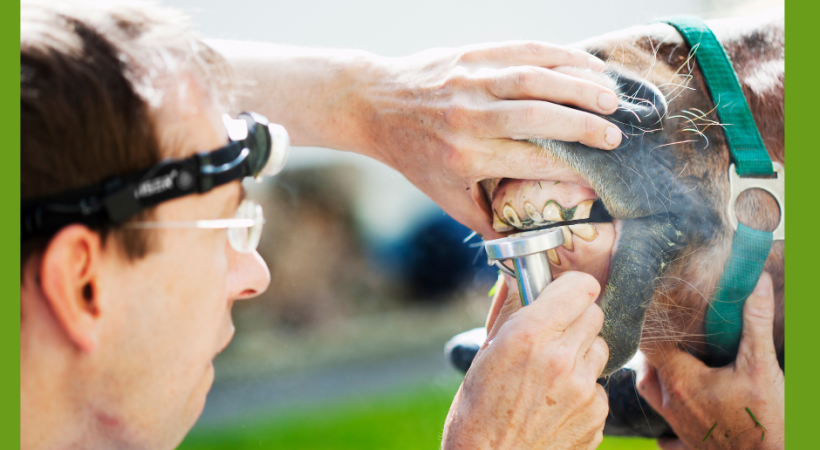
For horses—particularly performance and racehorses—equine oral health is not about appearance. It is a foundational element of comfort, communication, digestion, and competitive success. While a horse may not benefit cosmetically from dental procedures, the condition of its teeth directly affects how it eats, how it responds to the bit, and how effectively it performs under pressure.

Horse dentistry has evolved significantly, becoming an essential part of modern equine management. In this context, whitening the teeth is a cosmetic dentistry starting point acts as a useful analogy, highlighting how visible surface changes often prompt deeper evaluation of dental balance, disease prevention, and long-term athletic performance.


Understanding Horse Teeth: More Than Meets the Eye

Horses possess one of the most complex dental systems in the animal kingdom. Their teeth continuously erupt throughout much of their lives to offset the constant grinding required to process fibrous forage. While this adaptation is vital for survival, it also makes horses especially vulnerable to dental imbalances.

Discoloration, tartar buildup, and uneven wear are often the earliest visible indicators that something more serious may be developing beneath the surface. In equine dentistry, these signs serve a similar purpose to staining in human teeth—they signal the need for closer examination.

Although whitening the teeth is a cosmetic dentistry starting point in human care, in horses it represents an alert that equine oral health may be compromised due to diet, hygiene, or misalignment requiring professional intervention.


Cosmetic vs. Functional Dentistry in Horses

Unlike humans, horses do not undergo dental procedures for aesthetic reasons. However, cosmetic indicators such as staining, plaque accumulation, and irregular wear patterns are invaluable diagnostic tools in assessing equine oral health.

During a routine dental examination, an equine dental professional may identify issues such as:

  • Early-stage periodontal disease

  • Uneven occlusion or bite alignment problems

  • Sharp enamel points

  • Retained caps in young horses

  • Wave mouth or step mouth conditions

Addressing these concerns early is essential. Left untreated, they can lead to chronic pain, weight loss, resistance under saddle, and diminished performance on the racetrack.

This reinforces why whitening the teeth is a cosmetic dentistry starting point—not as an end goal, but as a prompt to investigate deeper structural and health-related issues that could otherwise go unnoticed.


The Link Between Equine Oral Health and Racing Performance

In horse racing, marginal gains can define success. A racehorse’s comfort, focus, and responsiveness are all influenced by oral health, making dental care a critical but often underestimated performance factor.

Dental discomfort is one of the most overlooked inhibitors of racing potential. Horses experiencing oral pain may:

  • Resist or evade the bit

  • Toss or shake their heads

  • Struggle to maintain consistent speed

  • Lose weight despite adequate nutrition

  • Display behavioral issues during training

Routine dental evaluations help ensure the mouth is pain-free and functioning efficiently. While whitening the teeth is a cosmetic dentistry starting point conceptually, the true value lies in protecting equine oral health and preventing issues that could compromise athletic output.


Why Surface Dental Care Still Matters in Equine Oral Health

Plaque and tartar accumulation in horses can lead to gum inflammation and bacterial infection, much like in humans. Over time, these issues may progress into periodontal disease, tooth instability, or tooth loss.

Regular dental floating and cleaning play a vital role in maintaining equine oral health by helping to:

  • Reduce harmful bacteria

  • Improve chewing efficiency

  • Enhance nutrient absorption

  • Support overall immune function

For racehorses, efficient digestion is directly linked to stamina, recovery, and sustained performance. A healthy mouth supports a healthy digestive system, making dental care an integral component of any conditioning program.

Once again, whitening the teeth is a cosmetic dentistry starting point—the visible cue that proactive, preventative equine healthcare should follow.


The Role of Diet in Equine Dental Appearance and Health

Diet has a significant impact on both the appearance and function of horse teeth. High-sugar feeds, processed grains, and limited access to quality forage can accelerate plaque formation and contribute to uneven dental wear.

Racehorses often require energy-dense diets to meet training demands, but without proper dental maintenance, these diets may lead to:

  • Increased tooth staining

  • Gum irritation

  • Reduced chewing efficiency

Monitoring changes in tooth color, wear patterns, and chewing behavior allows owners and trainers to detect early signs of compromised equine oral health and make timely dietary or dental adjustments.


Modern Advancements in Horse Dentistry

Advances in equine dentistry have transformed how dental care is delivered. Improved tools, sedation protocols, and detailed oral examinations now allow for earlier detection and more precise treatment of dental issues.

These advancements reinforce the idea that surface-level changes—such as discoloration—should never be dismissed. They are often the first indicators that deeper problems are developing within the mouth.

For performance and racehorses, proactive equine oral health management is no longer optional. It is a standard of modern, professional care.


Building a Preventative Dental Program for Horses

An effective preventative dental program should include:

  • Annual or biannual dental examinations

  • Routine floating to address sharp enamel points

  • Ongoing monitoring of tooth wear and alignment

  • Observation of eating habits and performance changes

When owners, trainers, and veterinarians collaborate, equine oral health becomes a strategic asset rather than a reactive concern. In this context, whitening the teeth is a cosmetic dentistry starting point because it encourages early awareness, consistent monitoring, and long-term care.


A Strong Foundation Starts with the Smile

In both humans and horses, oral health offers valuable insight into overall wellbeing. While whitening the teeth is a cosmetic dentistry starting point, its true importance lies in drawing attention to the necessity of routine, preventative dental care.

In the equine world—especially in horse racing—healthy teeth are essential for comfort, performance, and longevity. By recognizing early warning signs and prioritizing professional equine dentistry, owners and trainers can help ensure their horses remain comfortable, competitive, and capable of reaching their full potential.

A strong smile may not win a race on its own, but optimal equine oral health can make all the difference.
race horse dentistry

How Horse Dentistry Impacts Performance: Understanding the Importance of Dental Health in Horse Racing

In the world of horse racing, every detail counts when it comes to a horse’s performance. From training regimens to nutrition, each factor plays a critical role in the success of the horse. However, one often overlooked aspect is horse dentistry. Just like humans, horses rely on their teeth to perform essential tasks like chewing, biting, and overall jaw movement. Any dental issue can impact their comfort, health, and, most importantly, their performance on the racetrack.

In some cases, advanced dental procedures, such as dental implants, may be necessary to ensure a horse’s teeth are properly aligned and functioning. Whether it’s preventing pain from dental issues or enhancing the horse’s ability to eat and perform optimally, horse dentistry is a crucial part of any racehorse’s care. In this post, we’ll explore how proper dental care supports the performance of racehorses, with a special focus on advanced dental solutions like dental implants and their impact on racing success.


The Role of Horse Dentistry in Racing

Horse dentistry goes beyond just basic care—it’s essential for ensuring that your horse’s teeth are in optimal condition to avoid discomfort or pain that could affect their performance. In horse racing, dental health plays a pivotal role in how effectively a horse can perform, especially in maintaining proper nutrition and preventing pain that could result in behavioral changes or reduced performance.


Common Dental Issues in Racehorses

Several dental issues can affect racehorses, leading to performance setbacks or health problems. Here are some common dental conditions:

  • Sharp Points and Hooks: Over time, a horse’s teeth can develop sharp edges or hooks, causing discomfort and difficulty chewing. This can lead to poor nutrition, which in turn affects the horse’s energy levels and performance.

  • Malocclusion (Misaligned Teeth): Misaligned teeth can cause pain and difficulty chewing, affecting the horse’s ability to properly consume food. This can result in weight loss, digestive issues, and general health problems, which ultimately affect the horse’s stamina on the racetrack.

  • Tooth Fractures or Injuries: Horses racing at high speeds are at risk of sustaining dental injuries. A fractured tooth can cause severe pain, making it hard for the horse to chew and hydrate properly, leading to fatigue and performance declines.


The Impact of Poor Dental Health on Racing Performance

A horse suffering from dental discomfort may show signs such as resistance to the bit, difficulty chewing, or irritation when being ridden. These discomforts can affect the horse’s focus, mood, and energy levels during training and races. If a horse cannot chew properly, it may experience digestive issues, making it difficult to maintain stamina during long races.

By ensuring that a horse’s teeth are in optimal health, horse owners and trainers can significantly enhance the horse’s overall well-being, leading to improved performance on race day.


Advanced Dental Care: Dental Implants for Horses

In certain circumstances, advanced dental care may be required to address severe dental issues in horses. One such procedure is the surgical placement of the dental implant. Though rare, dental implants can be a lifesaver for horses that suffer from severe tooth loss or damage.

The Surgical Placement of the Dental Implant: The Healing Process Begins

When a horse loses a tooth due to injury, decay, or disease, it can dramatically affect their ability to chew, leading to discomfort and nutritional deficiencies. After the dental implant is placed, the healing process starts. This procedure serves as a replacement for a missing tooth, allowing the horse to chew and eat properly again, thereby enhancing their comfort and performance.

Once the implant is placed, the healing process typically takes several months, during which time the horse will require additional care and attention. Following successful implantation and healing, the horse will regain the ability to chew without pain, improving their comfort and ability to train effectively.

When Is a Dental Implant Necessary for a Racehorse?

Dental implants are usually recommended when less invasive treatments, such as fillings or crowns, are not suitable. If a racehorse suffers from severe dental trauma or tooth loss, dental implants can restore normal chewing function. However, deciding to opt for a dental implant should be made in consultation with an experienced equine dentist, the horse’s trainer, and veterinarian to ensure it’s the best course of action.


Routine Horse Dentistry: Preventing Major Issues

While dental implants can address severe dental problems, the best way to ensure optimal performance in horse racing is by focusing on routine dental care. Regular dental checkups are essential to catch issues early and prevent them from escalating into larger, more costly problems.

The Importance of Floating

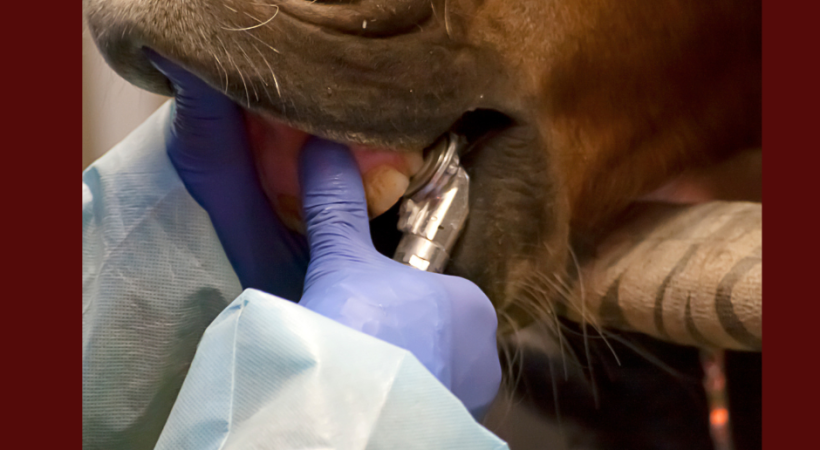
One of the most common procedures performed by equine dentists is floating. Floating involves filing down sharp edges and hooks on the horse’s teeth, ensuring smooth surfaces for chewing. This procedure helps prevent discomfort and pain related to uneven teeth, which is crucial for maintaining energy levels and stamina.

Preventing Tooth Decay and Infection

Preventive care, including the removal of food buildup, plaque, and bacteria, can help prevent tooth decay and infections. Regular checkups can detect early signs of infection or damage, allowing for timely intervention and preventing the condition from affecting the horse’s performance.

Checking for Malocclusion

Malocclusion (misalignment of teeth) can cause discomfort while chewing and may result in poor eating habits, weight loss, and compromised performance on the racetrack. Early detection of malocclusion ensures that corrective action can be taken before these issues affect the horse’s ability to perform.


How to Ensure Optimal Dental Care for Your Racehorse

Here are essential tips for maintaining optimal dental care for your racehorse:

  1. Schedule Regular Dental Checkups: Ensure that your horse undergoes routine dental exams with a qualified equine dentist at least once a year. Performance horses may require more frequent exams.

  2. Watch for Behavioral Changes: Keep an eye on any signs of discomfort, such as resistance to the bit, difficulty chewing, or behavioral changes. These could indicate underlying dental issues that need attention.

  3. Provide a Balanced Diet: Make sure your horse receives a balanced diet that supports dental health. Proper nutrition is key to preventing dental problems and maintaining the horse’s energy levels for racing.

  4. Use the Right Tack: Ensure that your horse’s tack, especially the bit, is correctly fitted. A poorly fitted bit can cause additional strain on the jaw and exacerbate dental problems, negatively affecting performance.


Dental Health and Performance Go Hand in Hand

Dental health is often an overlooked but essential factor in a racehorse’s performance. Horse dentistry, including advanced procedures like dental implants, can significantly improve your horse’s comfort, health, and ability to train and race effectively. By maintaining routine dental care, you ensure your horse remains in peak physical condition, allowing them to perform at their best.

Remember, consulting with a qualified equine dentist is crucial in determining the best course of action for your horse’s dental health. By understanding the importance of horse dentistry and keeping your horse’s teeth in optimal condition, you help ensure that your horse performs to its fullest potential and achieves success on the racetrack.